Security Enclosures
Metal cages and screened barrier systems for HVAC units, storage areas, dumpsters, and exposed service zones that need controlled access and asset protection.
 CANASA Member
 5-Year Warranty
When valuable assets sit exposed outside the building
A property can have secure doors and windows and still leave expensive equipment or materials completely exposed outdoors. Condensers, meters, storage racks, waste areas, and service zones are often the easiest targets because they sit outside the main opening-security plan.
Security enclosures close that gap. They put a controlled, lockable metal barrier around the asset or service area instead of trying to protect it indirectly.
- HVAC and mechanical equipment in exposed locations
- Outdoor storage that needs controlled access
- Dumpster and service areas that need separation
- Commercial back-of-house spaces that need a cleaner security boundary
What security enclosures are designed to protect
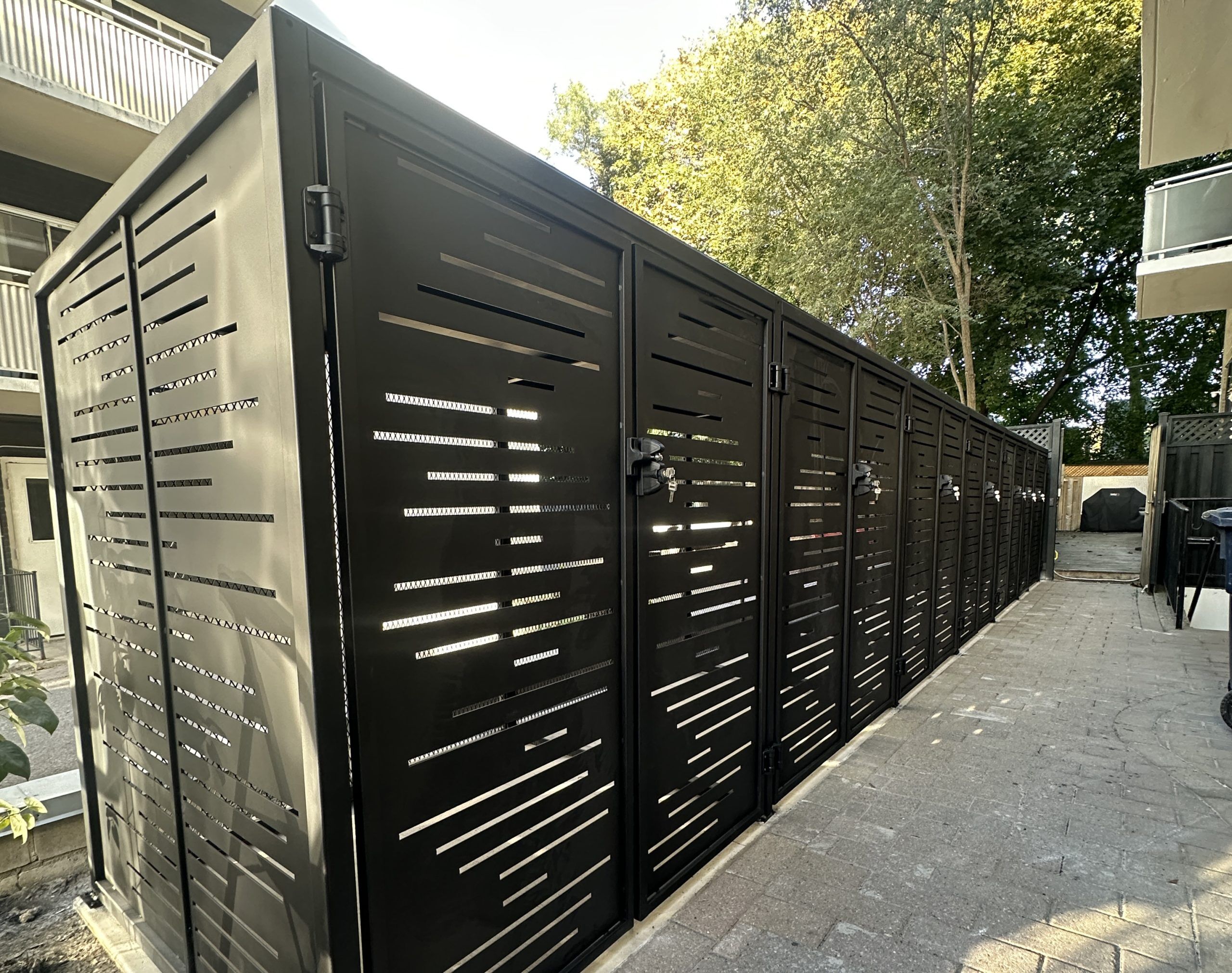
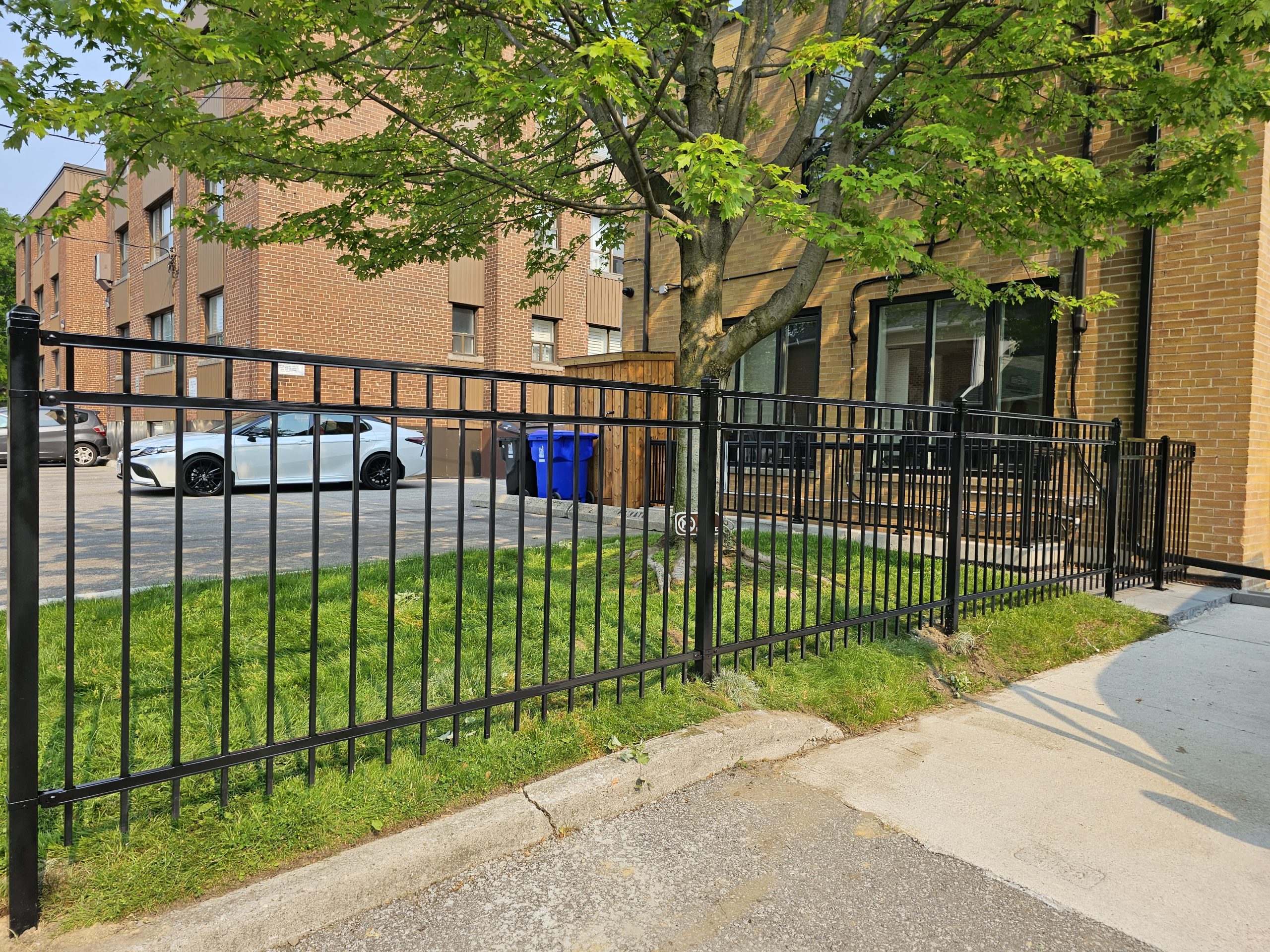
Security enclosures are fixed metal systems used to protect equipment, contain service areas, or control access around outdoor assets. They can take the form of a cage, a fenced enclosure, or a screened barrier system depending on the site and how the protected area needs to function.
The key point is that they are built around the asset itself. That makes them especially useful where the security issue is not the building opening, but the outdoor equipment or materials sitting nearby.
- Targeted protection for exposed assets
- Better control around service and utility zones
- A more deliberate boundary for storage and waste areas
- Layouts that can still preserve maintenance access and airflow where needed
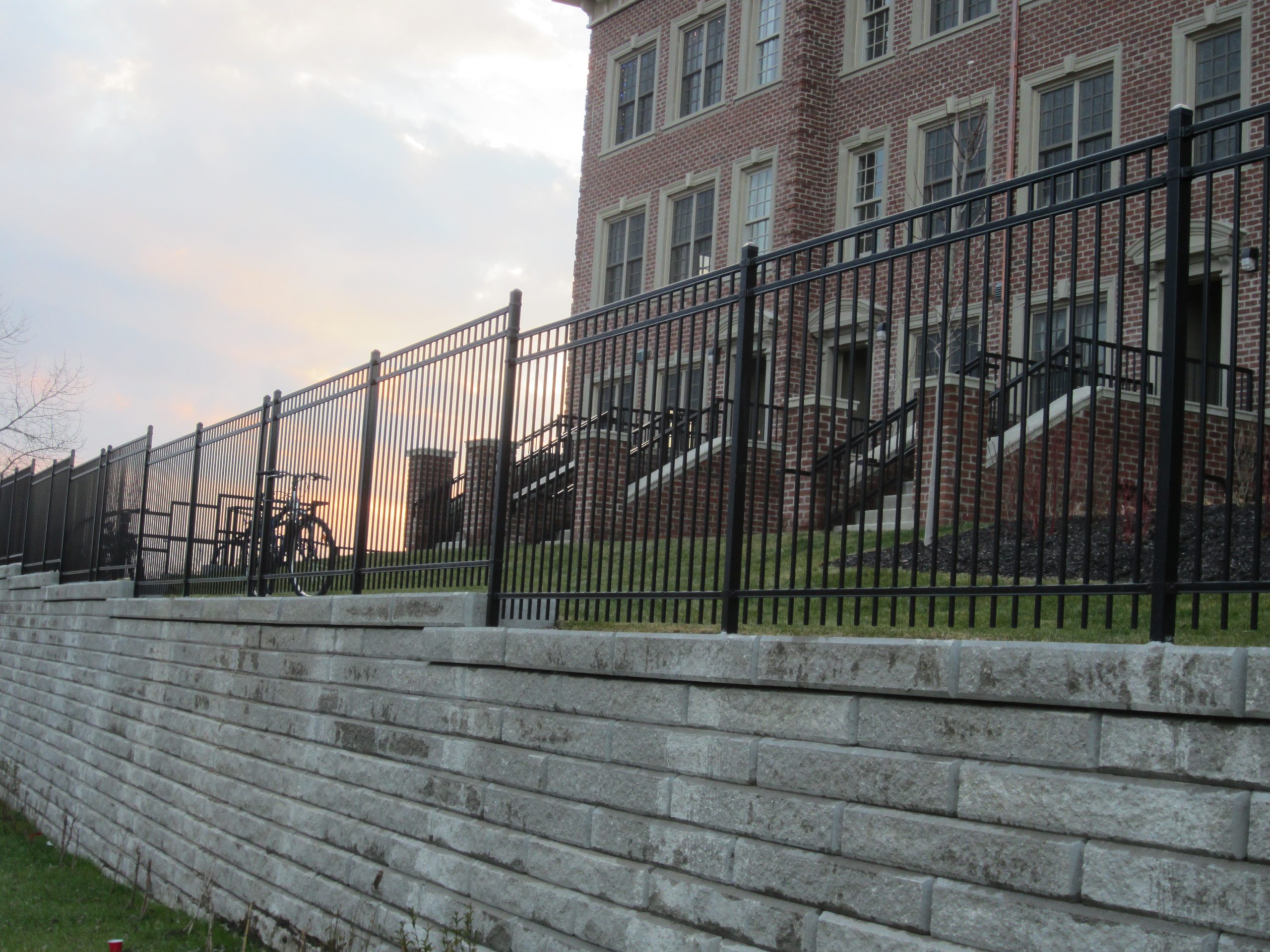
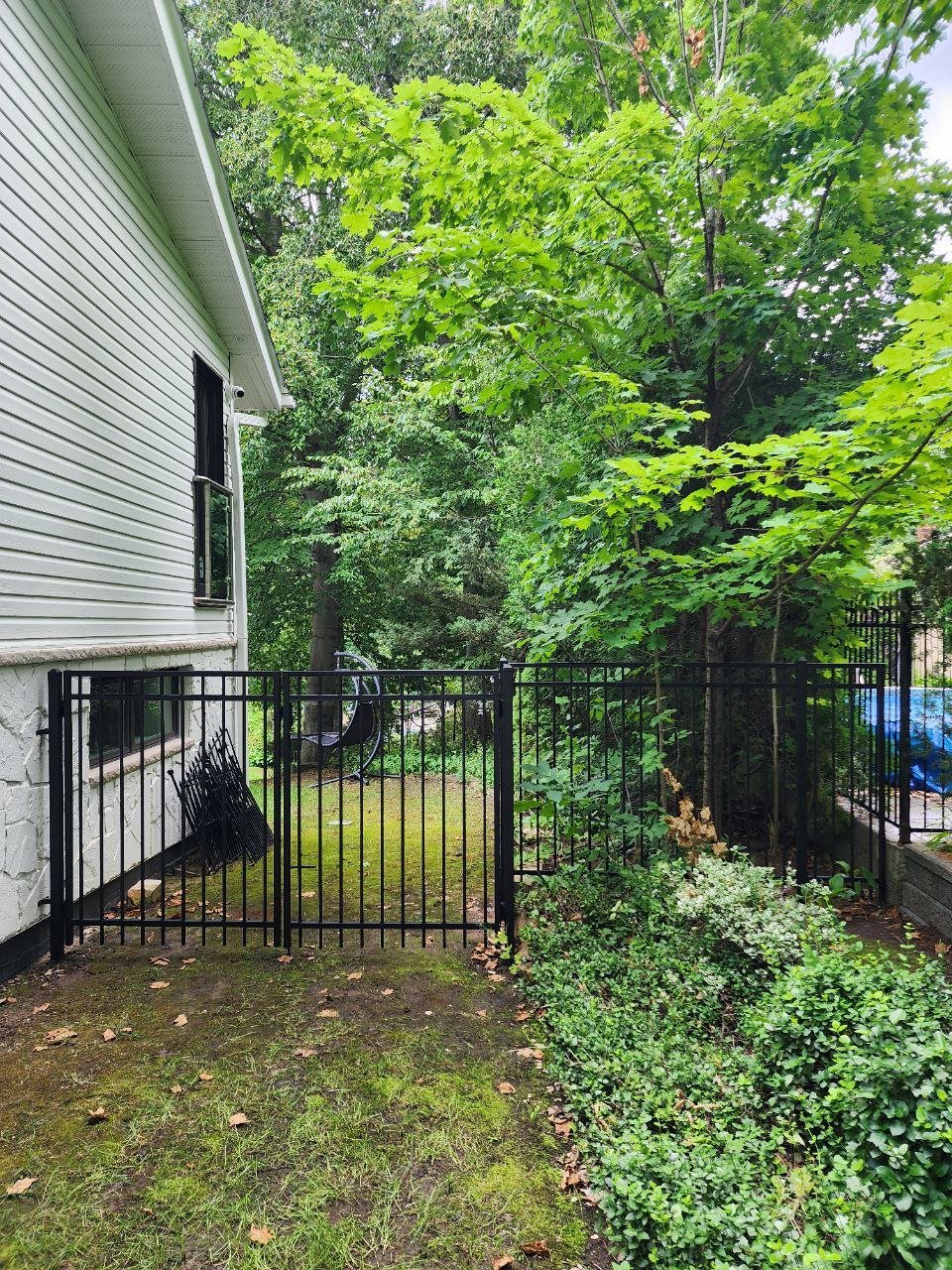
More enclosure examples
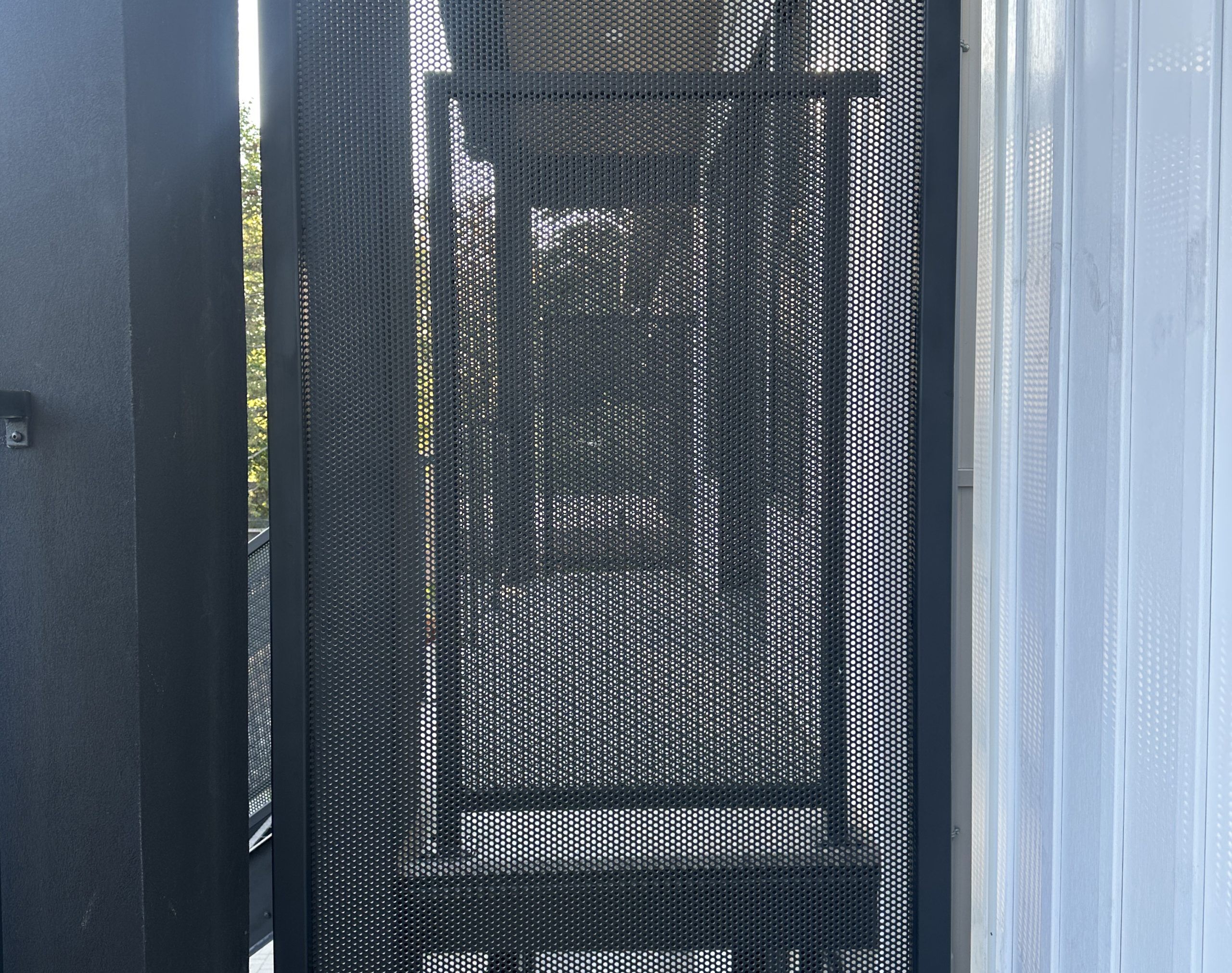
These examples show how enclosure work can range from screened mechanical protection to broader cage-style asset control.
Common enclosure applications
Different assets call for different enclosure logic.
HVAC security cages
Used to protect condensers and mechanical equipment from theft, tampering, and incidental damage while preserving access for authorized service work.
A strong fit where exposed equipment is easy to reach from grade.
Outdoor storage cages
Useful for securing tools, materials, supplies, or other items that need to stay outside but should not remain openly accessible.
Often appropriate for commercial and multi-unit properties.
Dumpster and service enclosures
Helps define and secure the service zone while keeping the area cleaner and more controlled from the public side of the property.
Especially useful where waste areas or utility zones are highly visible.
General equipment screening
For sites with multiple exposed assets, a broader screened enclosure can protect the area while improving organization and separation.
Can overlap with metal privacy screens when visual screening is also a priority.
When security enclosures are the right solution
Use enclosures when the risk sits around the asset, not at a building opening.
Exposed mechanical equipment
If equipment sits in a vulnerable yard, parking edge, or side setback, a purpose-built enclosure is more direct than trying to rely on general perimeter security alone.
Outdoor storage and operational areas
Enclosures are useful where the site needs controlled access around tools, stock, or service items without moving everything indoors.
Waste and service zones
Dumpster and service enclosures help define the utility area while keeping it more secure and visually separated from the rest of the property.
When a commercial shutter solves a different issue
If the real problem is a storefront, service opening, or counter that needs operable closure, a commercial roll-up shutter is usually the better product.
What we review before specifying an enclosure
Security enclosures have to protect the asset without making the area unserviceable.
Base condition and anchoring
We review whether the enclosure will mount to slab, curb, wall, or another support condition and size the layout accordingly.
Service clearance and maintenance access
Mechanical equipment still has to be maintained. We account for service doors, panel removal, reach-in zones, and operating clearances.
Ventilation and equipment performance
When the enclosure surrounds active equipment, the barrier layout has to respect airflow and heat dissipation requirements.
How the area is used day to day
Storage enclosures, dumpster zones, and service corridors all have different traffic patterns. The barrier should support that use instead of fighting it.
Related systems often paired with enclosures
An enclosure usually protects one specific asset inside a broader property-security plan.
Security Fencing
Perimeter fencing handles the wider site boundary while the enclosure protects the specific equipment or storage area inside it.
See security fencingMetal Privacy Screens
If visual screening matters as much as security, rigid privacy screens can help shape the same area in a cleaner way.
See metal privacy screensCommercial Roll-Up Shutters
For service openings or utility counters attached to the building, a shutter may still be the correct solution at the opening itself.
See commercial shuttersWhy enclosure projects benefit from a system-minded installer
We plan around the asset, not just around the barrier
That matters when the enclosure has to stay secure but still allow maintenance, pickup, storage turnover, or daily operational use.
We understand where enclosures fit in the broader site plan
Some sites need perimeter fencing, shutters, and enclosures together. We can help define where each one belongs.
We stay practical about function
A cage that blocks service access or a screened area that creates workflow problems is not a successful installation. We avoid that by reviewing the use case carefully.
Request an enclosure review
We can assess the equipment or service area, confirm the right enclosure type, and make sure security does not interfere with maintenance or site operations.
- HVAC, storage, and service-area review
- Access, airflow, and layout planning
- Commercial-focused scope development
If this looks like the right direction, we can confirm sizing, mounting, layout, and the right barrier type on-site.
Request an Enclosure Quote
Free consultation, no obligation. We respond within 2 hours.