


 Made in Canada
Where Do Break-Ins Usually Start?
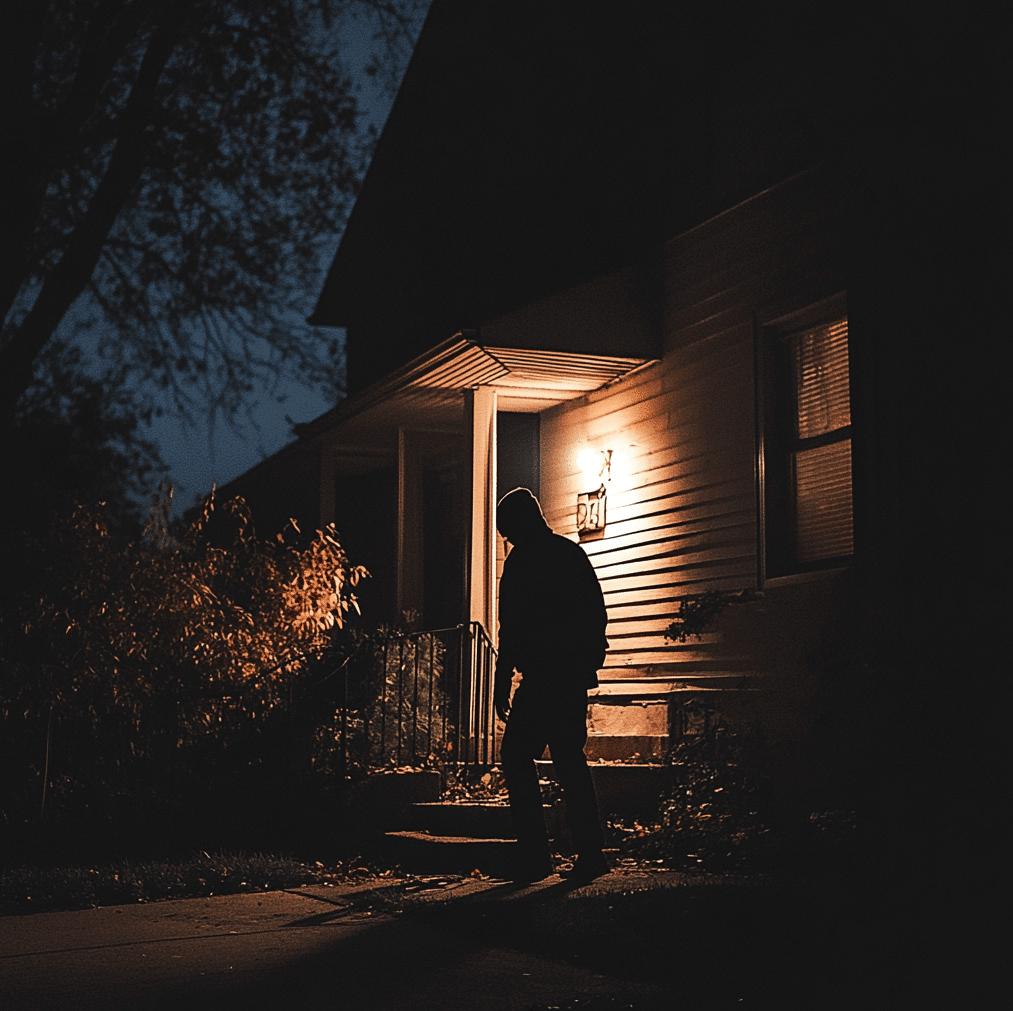
Most residential break-ins start at an opening that is easy to reach and out of view: a ground-floor window, a sliding patio door, a side or basement window, or an attached garage. Walking around your house and listing those openings is the most useful first step, before you buy anything.
If you want to see local patterns, Toronto Police publish break-and-enter data by neighbourhood on their public safety data portal.
- Start with a walk-around: list the ground-floor, basement, side and rear openings, and note which ones are hidden from the street.
- Glass is the usual weak point. Roll-up shutters cover it when closed; bars and security film are lower-cost alternatives.
- Lock the door from an attached garage into the house like a front door.
- Lights, sightlines and a lived-in look work alongside locks and barriers, not instead of them.
- For homes that sit empty (snowbird season, cottages), covering the ground-floor openings is what owners ask us about most.
How Do You Cover Ground-Floor Windows and Patio Doors?
Glass is the part of an opening that breaks. Three products deal with it, each in a different way:
- Roll-up security shutters: an aluminum slat curtain that coils into a housing above the opening and covers the glass when closed. Typically $800–$1,500 per window and from $1,900 per patio door, installed.
- Window and door security bars: fixed steel bars over the opening. Lower cost and always visible.
- Security window film: a clear layer on the inside of the glass that holds the shards together. It keeps the view but leaves the glass exposed. Our shutters vs. window film comparison covers the trade-offs.

Why Do Sliding Patio Doors Need Their Own Look?
They are the largest pane of glass in most houses, usually at the back where nobody sees them, and many sliders have a basic latch rather than a deadbolt. A bar in the bottom track is the low-cost first step.
A roll-up shutter mounts above the door frame and lowers in front of the door; when it's up, the door slides normally. See patio door shutters.
What About Basement Windows?
Basement windows are low, small and often behind shrubs, and Ontario's building code limits how you can cover a bedroom window that is a required exit. Our basement window bars vs. shutters guide covers the egress rule and the options for each type of basement window.
How Do You Secure an Attached Garage?
An attached garage is two openings: the garage door and the door into the house. Once someone is inside the garage, they can work on that inner door out of sight, so lock it like a front door, with a solid-core slab, a deadbolt and a reinforced strike plate.
On the main door, a roll-up garage door is a continuous curtain of interlocking aluminum slats in side guides, with no separate hinged panels, and it can be fitted with a key lock or motorized operation. Roll-up garage doors typically run $1,500–$3,500 installed. More checks in our garage security tips.
Do Lights, Landscaping and Routines Make a Difference?
They are low-cost and they work alongside locks and barriers rather than replacing them:
- Lighting: motion-activated lights on every side of the house leave fewer dark corners near doors and windows.
- Sightlines: shrubs kept below window height let neighbours see your entry points.
- Routine: timers on interior lights, a cut lawn or cleared driveway, and collected mail make the house look lived-in.
- Neighbours: someone who knows your schedule notices what's unusual.
What Should You Do When the House Sits Empty?
Snowbird season, long trips and cottage weekends leave a house empty for days or weeks. Beyond timers and a neighbour checking in, this is when owners most often ask us about shutters: with them closed, every ground-floor opening is covered while you're away. Our cottage closing guide covers the same question for seasonal properties.
Motorized shutters run from a remote or wall switch, so they're easy to use every day, not only when you travel.
Do Security Shutters Replace an Alarm or Cameras?
No. Cameras record and alarms alert; a shutter monitors nothing and notifies no one. It is a physical cover over the glass, so it sits alongside an alarm, good locks and lighting as a separate layer.

